
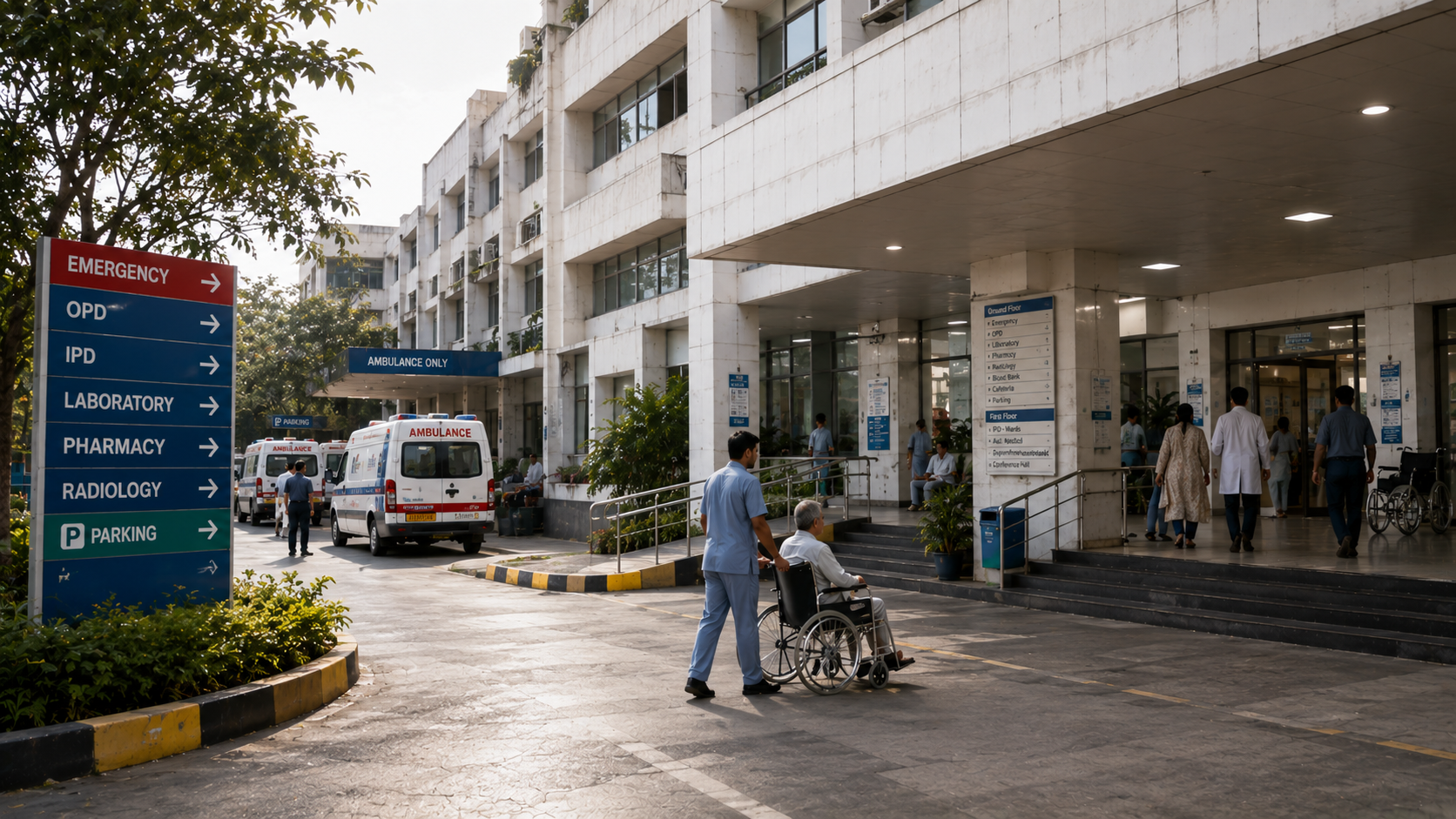
IQRAA HOSPITAL: CONSUMER JOURNEY FOR PATIENT EXPERIENCE OPTIMIZATION
About the Organization:
IQRAA hospital, a leading healthcare provider in Calicut was established in 2000 by JDT Islam Orphanage Committee in Calicut, India, with the support of IQRAA for Human Relations, Jeddah, Saudi Arabia. It emerged as a centre of excellence in medical care by delivering high-quality healthcare services at affordable cost to the poor in particular and the society at large. The National Accreditation Board for Hospitals and Healthcare Providers (NABH) accredited IQRAA in 2012.
The Story Unfolds:
Since its establishment, IQRAA expanded in terms of its built-up area, patient volume, and the availability of doctors and staff. In addition, IQRAA launched 11 community hospitals and clinics in Kozhikode, Wayanad, Malappuram and Idukki districts of Kerala. Even as hospital expanded, its vision, “IQRAA for All,” continued to reflect their commitment to providing accessible and affordable healthcare especially for the poor and needy in the backward areas.
The Big Question
Despite high volume of patient, the annual report of IQRAA Hospital for the financial year 2021–22 indicated financial pressure. The hospital faced the challenge of improving operational efficiency without compromising the mission of providing affordable care. The case challenges how the hospital can achieve operational efficiency with limitation in adjusting the consultation fees, revise doctor payouts, or expand physical capacity.
Why does the case matter?
This case presents students with the opportunity to examines whether it’s possible for a mission-driven hospital facing financial pressure can achieve operational improvement. Students are encouraged to identify pain points across various service stages, and evaluate how operational improvements could lead to reduction in costs, enhance throughput, and provide a consistent patient experience.
The case provides opportunity to identify how an integrated view of patient interactions can decide process design, resource allocation, and overall performance improvement in a mission-driven healthcare organization.
What would you decide?
Do you believe IQRAA would be able to improve its operational efficiency without compromising the core mission of providing affordable health care for all?