Tata Consultancy Services – The Strategy-Structure Conundrum
About the Organization:
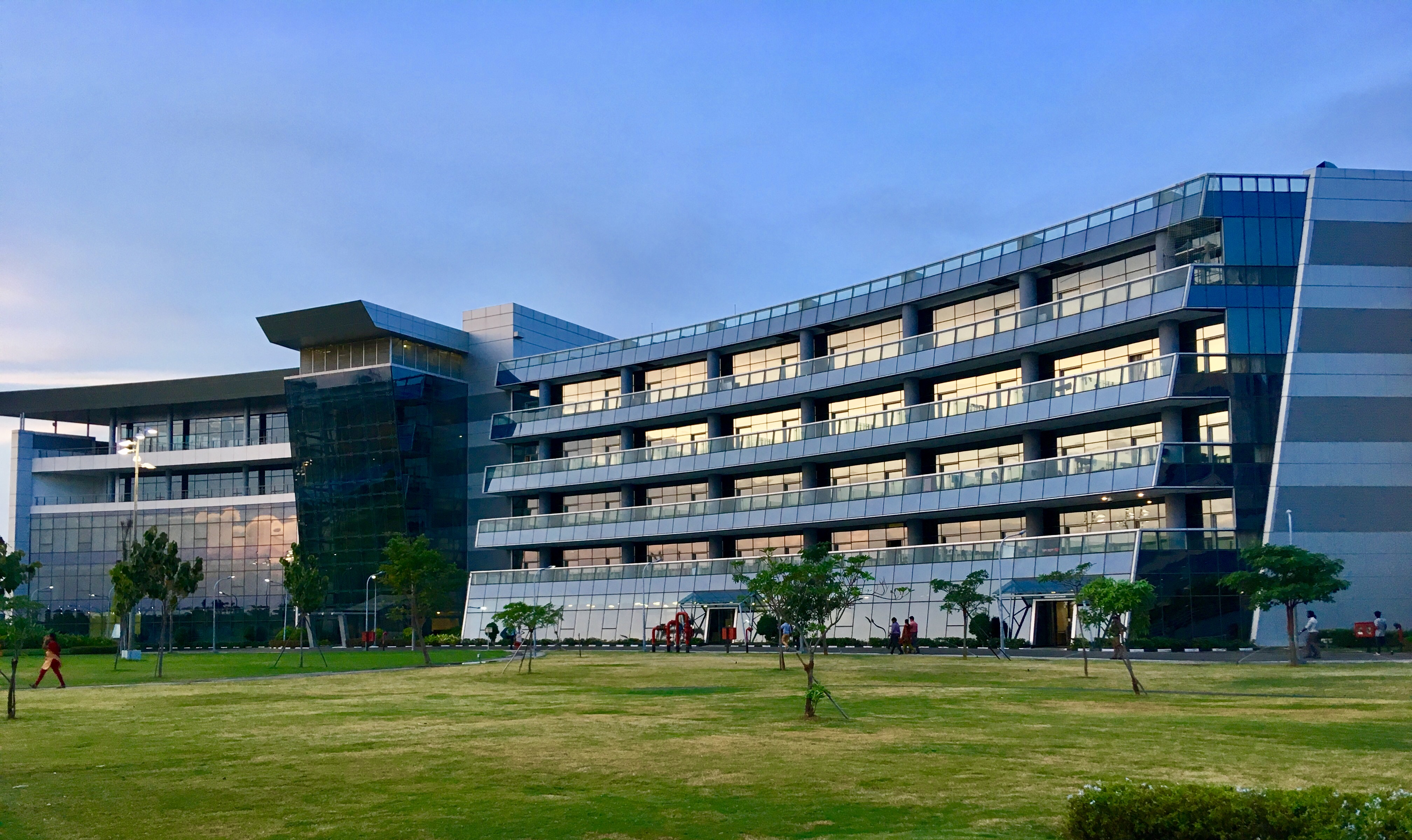
Tata Consultancy Services (TCS) Limited is an Indian multinational technology company specializing in IT services, consulting, and business solutions. It offers a wide range of services, including IT, BPO, infrastructure, engineering, and assurance. Headquartered in Mumbai, TCS is part of the Tata Group, India’s largest business conglomerate. Its parent company, Tata Sons, controls 75% of its shareholding, and as of 31 October 2024, TCS was India’s second-largest company with a market capitalization of INR 16 trillion.
The Story Unfolds:
Since its establishment in 1980, TCS has been led by several CEOs, starting with Faqir Chand Kohli and followed by S. Ramadorai, N. Chandrasekaran, and Rajesh Gopinathan, who became CEO in 2017. When S. Ramadorai succeeded as CEO of TCS from F.C. Kohli, who had served as CEO since the company’s inception, TCS was poised for growth. Under his leadership, the company became India’s number one IT firm, a position it continues to hold. In October 2009, N. Chandrasekaran took over as CEO, and under his leadership, TCS continued its growth trajectory.
The Big Question
In 2023, as part of the company’s restructuring, K. Krithivasan was appointed CEO. He abandoned most elements of the restructuring introduced by his predecessor, Rajesh Gopinathan, raising concerns among analysts and shareholders about whether the new structure would support the company’s long-term strategy. Although the FY 2024 results were strong and met market expectations, many investors questioned whether this performance was due to the strategy implemented by Gopinathan. Concerns also remained about whether the previous organizational structure was suitable for delivering consistent results in a rapidly changing IT industry.
Why does the case matter?
This case presents students with the opportunity to learn how organisational structure can help or hinder a firm’s ability to implement strategy in response to changing client needs and technological shifts. In addition, students will learn to evaluate how organizational structures may limit a firm’s ability to pursue transformational changes in goals, even when strategy and mission-vision-values are well aligned.
What would you decide?
Do you believe that the organizational restructuring under K. Krithivasan, which reversed many of Gopinathan’s changes, will enable the company to sustain consistent long-term performance, maintain strategic focus, and meet investor expectations in a rapidly evolving IT industry?
From the authors
We conceived the idea for the Tata Consultancy Services (TCS) case following the leadership transition at the company in 2023. Media reports at the time speculated that the change was linked to the organisational restructuring undertaken a year earlier. We continued to follow developments at TCS and observed that, within a year of the new CEO’s appointment, the company largely reverted to its earlier organisational structure. This reversal prompted us to examine the issue more systematically. Our analysis indicated that the restructuring was closely connected to shifts in TCS’s business strategy, rather than being merely an operational or personnel-driven decision.
The literature on strategy implementation suggests that organisational strategy initially shapes organisational structure, which over time becomes embedded in organisational culture. Once a particular structure and culture are established, subsequent strategic choices must align with them. Changes in strategy that are not consistent with these entrenched elements tend to disrupt organisational equilibrium and often face resistance. Our findings at TCS reflected
this theoretical dynamic clearly, making it a textbook example of the complex interplay among strategy, structure, and culture.
Recognising the strong teaching value of this situation—and noting the limited availability of India-based cases on strategy implementation—we decided to develop a teaching case that could bring these concepts to life for students. The case is a library-based study relying entirely on secondary sources. We did not face any meaningful limitations in accessing
information, as TCS is a publicly listed company subject to comprehensive statutory disclosures, and the Tata Group is widely recognised for its transparency and ethical governance practices.
The support provided by Gyanodaya contributed significantly to transform our initial observations into a structured, pedagogically rich teaching case suitable for classroom discussion and learning.